Man with van in Plumstead

Our man with van in Plumstead service is set up for practical local moving work that needs careful handling, sensible planning and the right vehicle size rather than a full-scale removals operation. It suits customers moving a few rooms of furniture, transporting bulky purchases, or shifting items between homes, storage and workplaces. The service is designed to keep the process straightforward while still giving attention to loading, protection and safe transit.
If you are comparing moving options, it helps to think about what needs to go, how fragile the items are and whether access is straightforward at both ends. A smaller move can still involve awkward objects, narrow hallways or timed access, so the job is rarely just about driving from one place to another. We can support moves that are compact, organised and handled with care, without adding unnecessary extra service layers.
For a broader look at the kind of work we handle, you can also review our man with van page, which explains the core service in more general terms. When a move includes domestic furniture, trade equipment or mixed loads, choosing the right approach early helps keep the day calmer and the load more secure. Clear expectations make a real difference to the final moving plan.
Local moving support for homes and small loads
Household moving often requires more than a vehicle and a pair of hands. Sofas, beds, tables, white goods and boxed belongings all need to be arranged so they travel safely and fit into the van efficiently. A focused man with van service is useful when the move does not call for a large removals team but still needs proper care, lift support and sensible sequencing from collection to delivery.
Our home moves page is the right place to explore domestic moving work in more detail, while house removals covers the wider household side of the service. These pages are helpful if you want to understand how different move sizes are approached and what kind of items are usually included. Keeping the load organised before loading can reduce delays and help protect delicate pieces.
Typical home moving jobs can include single-room relocations, student moves, storage transfers, and the movement of furniture between properties. Where customers have dismantled items or loose fittings, those parts need to be grouped together and labelled sensibly so they stay with the correct furniture. It is also common to move mixed household goods alongside larger pieces, provided everything is packed in a way that suits the journey and the available space.
What the service can cover

The work can include loading, transport and unloading, plus careful positioning of items once they arrive. Depending on the size of the job, that may involve carrying furniture from upstairs rooms, moving appliances with suitable precautions, or taking boxed contents to a specific floor or storage bay. The aim is to provide a steady, practical moving service that matches the item type and the access conditions.
For customers who need help with transport rather than a full packing service, this can be a sensible middle ground. The man and van removals page explains a related moving format, while removal services gives a wider overview of the kinds of jobs that may be covered across domestic and light commercial work. If you only need items moved from one point to another, a streamlined approach is often enough.
There are occasions when a job needs extra care because of item shape, weight or fragility. Mirrors, wardrobes, framed pieces and specialist equipment should be considered individually, since not every load can be treated the same way. A measured approach helps avoid rushed handling. For that reason, we focus on the move itself, the lift plan and the sequence of loading rather than adding unnecessary extras that do not suit the task.
Planning the move well
Good planning is usually about access, volume and order. Knowing whether there are stairs, parking restrictions, tight corners or long carries helps shape the timing and loading arrangement. It is also useful to estimate how many larger items are involved, because a carefully packed van works better than one that is filled in a random way. That practical planning is often what turns a stressful move into a manageable one.
When the move involves mixed pieces, a simple preparation list can help: separate what must travel, group similar items together and identify anything that needs extra wrapping. If furniture has removable legs, shelves or drawers, keeping those parts together avoids confusion at delivery. For a deeper look at how we prepare moving work, the packing and unpacking services page explains the sort of support that may be useful before and after transport.
Two things make enquiry preparation much easier: a short description of the items and a clear note of the collection and delivery points. Photographs can also be useful when the load includes awkward furniture or the access is uncertain, because they help indicate volume and handling needs. These details do not have to be exhaustive, but they do help produce a quotation that reflects the actual work more closely.
Vehicle choice and load handling
A moving van is only useful if it suits the job. Too much space can leave items shifting around unnecessarily, while too little space can create awkward stacking and multiple journeys. Matching the vehicle to the load matters, especially where furniture, boxes and personal belongings must travel together without being compressed or knocked during transit. Practical loading is part of the service, not an afterthought.
Our moving van and removals van pages are relevant if you want to understand the transport side of the work, while moving truck is useful when a larger vehicle may be more appropriate. Not every move needs the biggest option available. Fit the transport to the job and the rest of the process usually becomes easier to manage.
During loading, the order of items can matter as much as the item count. Softer or sturdier pieces may be used to support heavier ones, but only where that arrangement is sensible and safe. Fragile goods should be separated from pressure points and fixed so they do not slide. Good handling is often about avoiding unnecessary movement inside the van, which is why packing decisions and loading sequence work hand in hand.
Domestic, furniture and single-item moves

Some customers need a full room or household move, while others only need one or two bulky items taken to another address. This service can be a good fit for furniture pick-ups, replacement items, marketplace purchases or possessions moving into storage. The useful point is flexibility: the work can be scaled to a simple collection or a more involved domestic transfer.
If you are moving furniture on its own, our furniture pick-up page gives a focused view of that kind of task. For wider home and house-moving work, house movers is also relevant. These pages sit alongside the same core principle: careful lifting, transport and delivery, with attention to the condition of the items and the practical demands of the route.
Single-item moves still benefit from the same level of care as bigger jobs. A heavy sideboard, a fragile cabinet or a large household appliance can require more thought than the item count suggests. We therefore treat every moving job according to weight, shape, access and protection needs, rather than assuming a smaller load will always be simple. That approach keeps the service suitable for everyday moving tasks and one-off collections alike.
Commercial and office movement
Not all man with van work is domestic. Small offices, studios, workshops and shared workspaces may need desks, chairs, filing units, displays or boxed equipment transported without the scale of a major relocation. A light commercial move often benefits from a simple, direct service that can move items efficiently while keeping business disruption limited to the actual loading and travel time.
For business-related moving work, see our commercial moves page and the more specific office relocation services and office removals pages. They describe the type of work that can be involved when furniture, stock or equipment needs to be re-sited. In these jobs, sensible sequencing matters because workstations, storage units and boxed supplies often need to arrive in a usable order.
If a business move includes items with cables, components or parts that belong together, keeping those elements grouped is important. Labels, simple inventory notes and clear separation between departments or rooms can save time at delivery. The aim is not to overcomplicate the move but to make it easier for the recipient to place items where they belong. That is particularly helpful when the destination is shared or has limited access.
About Plumstead
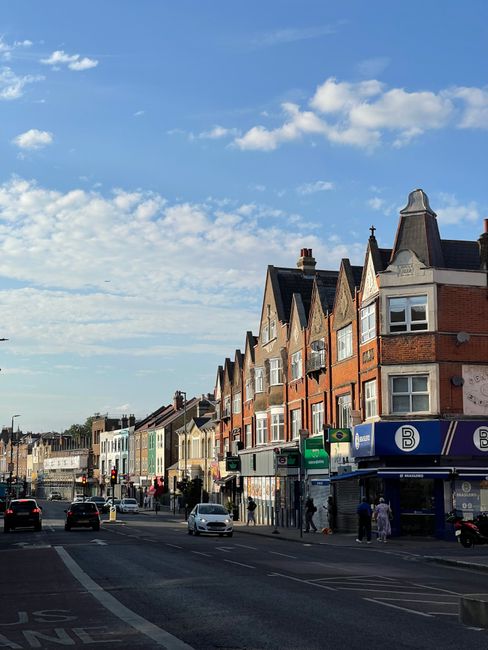
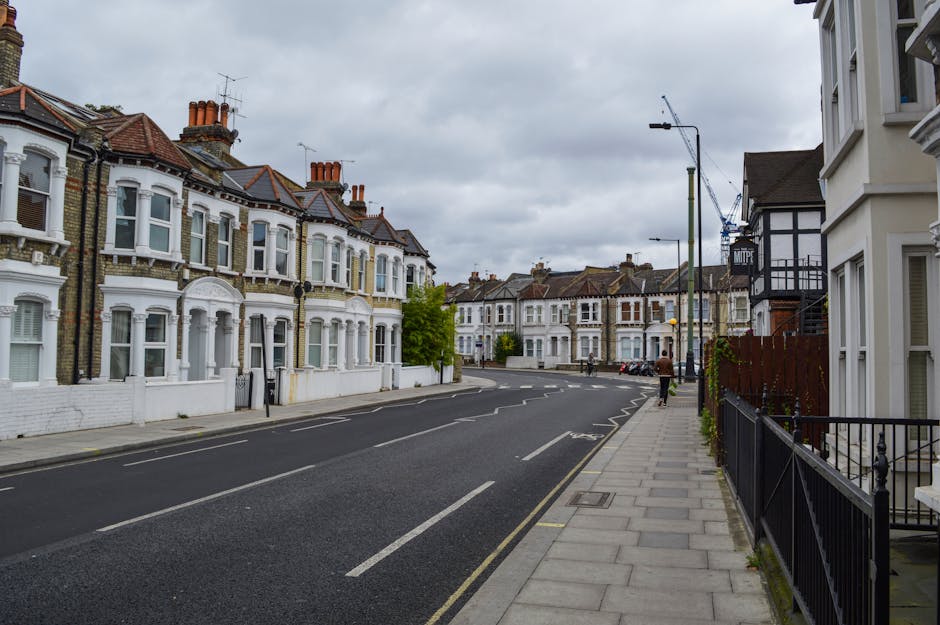
Plumstead is a district in south-east London within the Royal Borough of Greenwich, and its character reflects a long transition from rural settlement to dense suburban neighbourhood. The area sits close to Woolwich and Thames-side routes, with Woolwich Manor Way and the North Kent rail corridor helping to shape how the district connects to the wider city. Much of Plumstead’s present-day street pattern grew during the nineteenth century as London expanded eastward, but older traces remain in the form of historic lanes, local churches and surviving Victorian housing. Plumstead Common is one of the area’s best-known open spaces, offering a broad stretch of grassland and pathways that stand out against the surrounding built-up streets. The common has long been associated with local leisure and community life, while nearby greenery such as Winn’s Common contributes to the open character of the district. Plumstead is also closely linked with adjacent Woolwich Arsenal and the wider Thames Gateway, an area that has seen continuing regeneration alongside established residential streets. Everyday retail parades, local schools, places of worship and transport links give the district an ordinary but layered urban life, and its landscape mixes terraced housing, interwar development and later infill. The result is a place that feels rooted in London history yet still shaped by modern movement, travel and neighbourhood change.
Access, timing and item preparation
For a quotation, the most useful details are usually the collection and delivery locations, the approximate number of items and any access issues that might affect loading. Narrow staircases, limited parking, lift restrictions or timed entry windows all influence how a move needs to be arranged. The more clearly those points are described, the easier it is to plan the right vehicle and the right amount of handling support.
If you want to compare the main service with different moving formats, the man with a van page is a helpful starting point, while removals offers a broader overview of moving work across home and business settings. For customers who are weighing up costs, our pricing and quotes page gives a useful place to start a quotation request and understand how job details can affect the estimate.
Simple preparation can make collection easier: dismantle only when needed, keep small fittings in a sealed bag, protect corners if items are delicate and make sure the load is ready to move when the vehicle arrives. If there are items that should not be stacked, it is best to say so early. That kind of straightforward communication helps us keep the plan realistic and the moving day orderly.
Practical support for a smooth moving day

People often choose a man with van service because they want something manageable, adaptable and suited to a smaller or more direct move. The value lies in the combination of transport and handling, especially when the job involves lifting, careful placement or transport between properties at different stages of a move. It is a practical option where the task is real but the scale is not excessive.
Depending on the job, useful support can also include arranging items in a sensible order, keeping fragile pieces separate and making sure the van is loaded in a way that reduces movement in transit. That is why it helps to think about what needs to travel first, what can be boxed together and what may need protective wrapping or extra care at the point of collection. A considered approach is often the simplest one.
When you are ready to move from planning to booking, a short written summary is usually enough to begin. Include the item list, the addresses, the floor levels and any especially heavy or fragile pieces. Then request a quotation and we can work from the details you provide. If the move is straightforward, that process is usually quick and easy to set in motion.
Additional support and related pages
Depending on the nature of the move, you may also want to look at related service pages that sit alongside the main man with van offering. Our house removalists page reflects broader household moving work, while house removals and removal company provide more context about organised moving support. These pages are useful when you are comparing a compact move with a fuller household or mixed-load job.
Where the job is more about transport and less about the wider moving process, the related removal van and removal truck hire pages can help you think about the vehicle side of the service. For customers who want a complete overview of the business’s moving capability, the removal companies page may also be relevant. Each page sits around a slightly different aspect of moving work, but the principle remains the same: match the service to the job.
The right choice often comes down to scale, access and the type of items involved. A compact transport job may only need simple loading and delivery, while a more detailed move can involve multiple rooms, specialist pieces or a mix of domestic and commercial belongings. If you want to keep the process uncomplicated, start with the core service and build from there as needed.
Getting a quotation for your move

We keep quotations focused on the practical details that matter most: what is moving, where it is going and how the work needs to be handled. If you can describe the items clearly, it becomes easier to judge the space required and the time the job may take. That is especially helpful where bulky furniture, boxed contents or mixed loads need to travel together.
The most efficient enquiries usually include a brief note on the type of property, any access restrictions and whether you need loading and unloading at both ends. If there are items that require extra care, mention those too. That allows us to consider the moving plan properly rather than treating every enquiry as if it were the same. A clear brief leads to a clearer quote.
To begin, use the relevant service pages above and then request a quotation with the details of your move. If you are comparing options for home, furniture or office transport, the right page can help you narrow down what is needed before the move takes place. A well-described job is easier to price, easier to plan and easier to carry out smoothly.