Hazardous Waste Rules for Plumstead Moves: Legal Checklist
Posted on 29/07/2026
If you are moving home or office in Plumstead, hazardous waste can quietly turn a straightforward move into a compliance headache. Old paint tins, batteries, cleaning chemicals, aerosols, fuels, fluorescent tubes, and even some electronic items need more care than a normal box-and-tape job. The good news? With a clear plan, the Hazardous Waste Rules for Plumstead Moves: Legal Checklist become manageable, sensible, and far less stressful than they first sound.
This guide walks you through what counts as hazardous waste, what you should do before moving day, where people usually go wrong, and how to stay safe without overcomplicating things. It also gives you a practical checklist you can use at home, in a flat, or during a business relocation. Let's face it, nobody wants to discover a leaking drum at 7:30 on a wet Monday morning.
For readers planning the broader move too, it can help to keep your process calm and organised from the start. A measured approach like the one in this house-moving planning guide and this packing guide makes the compliance side much easier to handle.
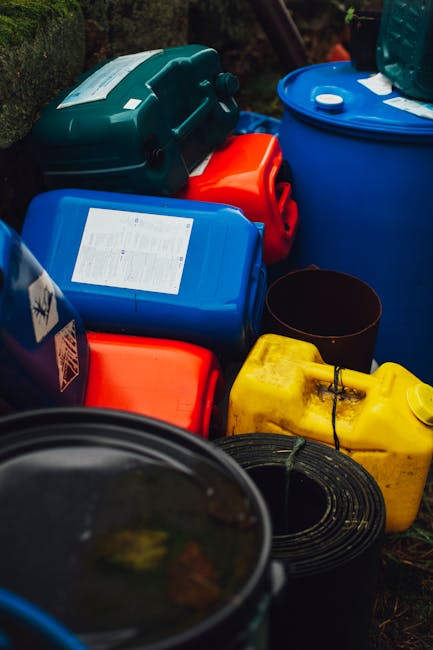
Why Hazardous Waste Rules for Plumstead Moves: Legal Checklist Matters
Hazardous waste matters because it is not just "stuff you no longer want". It can spill, react, ignite, corrode, or release fumes if handled badly. During a move, those risks go up. Boxes get stacked. Van floors shift. Someone sets a can down on its side. A tiny leak becomes a big mess, and then everyone is suddenly involved in clean-up, disposal, and maybe even insurance questions.
In Plumstead, as in the rest of London, moves often happen in tight spaces, shared stairwells, busy roads, or small loading windows. That makes planning even more important. If you are moving from a flat, a student room, or an office with cupboards full of old chemicals and broken equipment, you need to sort it before the rest of the move gets underway.
The legal side also matters because incorrect disposal can create liability for the person producing the waste, the occupier of the property, and sometimes the business responsible for the items. In plain English: if you leave a mess behind or hand over dangerous materials without proper handling, it can come back to bite you. Not ideal. Not at all.
There is another reason this topic deserves attention. Hazardous waste is often hidden in plain sight. A garage shelf, utility cupboard, under-sink cabinet, or office storeroom may contain more regulated items than you realise. We have seen moves delayed because somebody discovered half-full tins of solvent at the last minute. That kind of surprise is avoidable.
How Hazardous Waste Rules for Plumstead Moves: Legal Checklist Works
The practical process is simple once you break it into stages. The idea is to identify hazardous items early, separate them from normal belongings, package them safely, and arrange lawful disposal or transport through the appropriate route. That might mean a council collection, a licensed waste contractor, a retailer take-back scheme, or a specialist disposal service depending on the item.
For moving purposes, think in four layers:
- Identify the hazardous items before packing begins.
- Segregate them from ordinary household or office goods.
- Stabilise them so they cannot leak, break, or mix.
- Dispose or transfer them using a lawful route, with records where needed.
That sequence may sound obvious, but in practice people often skip straight to packing. Then the "we'll deal with it later" box appears. Later arrives, and the box is still there. Half-open. Slightly suspicious. You know the sort.
If your move involves heavy or awkward items alongside hazardous materials, it is worth planning the load order carefully. Guidance on safer lifting technique and moving heavy items more safely can help reduce strain and reduce the chance of damaged containers.
What usually counts as hazardous waste in a move?
Common examples include paint, varnish, adhesives, solvents, pesticides, bleach, drain cleaners, gas canisters, petrol or diesel containers, car fluids, batteries, fluorescent tubes, aerosol cans, asbestos-containing materials, and some electrical items. There are grey areas too. If you are unsure, treat the item cautiously until you have confirmed how it should be handled.
For businesses, the list can widen quickly: lab materials, maintenance chemicals, printer toners in bulk, contaminated absorbents, and old equipment with residues. A small office move can produce more compliance work than a whole house move if the storage cupboards have been neglected for years. Truth be told, they often have.
Key Benefits and Practical Advantages
Following a proper legal checklist is not just about avoiding trouble. It makes the whole move cleaner, calmer, and usually faster. The benefits are practical and immediate.
- Reduced risk of leaks and contamination during transport.
- Less chance of fines, refusal of collection, or disposal problems.
- Better protection for movers, occupants, and neighbours.
- Cleaner inventory control, especially if you are moving from a business premises.
- Fewer last-minute delays on moving day.
- Improved sustainability because reusable or recyclable items can be separated properly.
There is also a quiet but important psychological benefit: you feel in control. Once the dangerous items are sorted, the rest of the move looks lighter. It is the same reason decluttering before a move is so helpful. Less clutter, less panic. A very sensible little win.
That said, hazardous waste is not something to "power through" in a rush. If an item is unknown, unstable, or smells strongly chemical, pause. Slow down. Double-check. This is one area where moving quicker can actually make things slower.
Who This Is For and When It Makes Sense
This checklist is for anyone moving in Plumstead who has potentially hazardous materials to deal with. That includes homeowners, renters, students, landlords, small businesses, shops, offices, and tradespeople.
You will especially benefit if you are:
- moving out of a property with a garage, shed, loft, or utility cupboard;
- clearing an office with stationery stores, old electronics, or maintenance chemicals;
- disposing of items from a kitchen, workshop, or garden area;
- working to a tight deadline and want to avoid a "sorting it later" pile;
- moving vulnerable items through shared access, stairs, or narrow entry points.
If your move includes a flat with difficult access, it helps to think in terms of route planning as well as waste planning. Nearby guidance on staircase and access solutions in Plumstead is useful when space is tight and every trip matters.
The checklist also makes sense if you are storing some items temporarily. For example, if a move is split over several days, you may need to keep certain possessions out of the way while hazardous materials are removed separately. In that case, planning a safe holding area matters just as much as disposal.
Step-by-Step Guidance
1. Make a full sweep of the property
Start in the obvious places, then check the less obvious ones. Kitchen cupboards, under sinks, cleaning shelves, sheds, garages, meter cupboards, garden stores, and office supply rooms are all worth a careful look. Take a flashlight if you need to. It sounds basic, but a proper sweep is where the whole job starts.
2. Sort items into clear groups
Use three simple categories:
- Hazardous and needs special handling
- Potentially hazardous and needs checking
- Safe to pack normally
Do not mix these groups in one box. That is how problems spread. A little discipline here saves hours later.
3. Read labels and note warning signs
Look for hazard symbols, strong chemical warnings, "flammable", "corrosive", "toxic", "oxidising", "pressurised", or "irritant" wording. If the label has faded, go by the product type and condition. A half-used tin of old paint is still old paint, even if the label is wearing off at the edges.
4. Keep incompatible materials apart
Some substances should never be packed together casually. Acids, bleach, solvents, gas canisters, and aerosols all deserve separate handling. If you are unsure about compatibility, separate the items and seek advice from the waste route you plan to use. Do not improvise. Chemical reactions are a very unfun surprise.
5. Seal and contain every item properly
Check lids, cap openings, and wrap items so they cannot leak or tip. Upright storage matters for liquid containers. Fragile items such as fluorescent tubes should be protected from breakage. Batteries should be isolated so terminals do not short-circuit. Simple, practical stuff, but easy to miss in the rush.
6. Decide what will be disposed of, returned, or retained
Not everything needs to travel with the move. Some items are better used up, passed back through a retailer scheme, or disposed of before moving day. This stage is where many people trim the load. If you are already decluttering, it helps to combine this step with broader sorting work like the approach described in this decluttering guide for movers.
7. Arrange the lawful disposal route
Depending on the item, that may mean council collection, household waste recycling, a licensed waste handler, or a specialist service. The right route depends on volume, type, and condition. For businesses, keep records of what left the site and how it was handled. That record trail is not glamorous, but it is very useful.
8. Label what remains clearly
If some items must stay until after the move, label them plainly and keep them separate from the main load. A taped box marked "hazardous - do not mix" is far better than a mystery carton with a dangling lid and old batteries inside. We have all seen that one. No one enjoys opening it.
Expert Tips for Better Results
Small adjustments make a big difference here. The aim is to reduce risk without creating a complicated science project.
- Do the hazardous sort first, before normal packing takes over the whole day.
- Use one dedicated area for all questionable items so nothing is lost in the shuffle.
- Take photos of labels if you may need to ask for advice later.
- Keep cleaning products separate from general household goods, especially during a move when containers can tip.
- Avoid overfilling boxes; a heavy box of mixed cans is awkward and unstable.
- Plan disposal before the van arrives, not after.
One thing we often tell people is to keep a simple "maybe hazardous" tray or crate. It helps with decision-making. If an item sits in that crate for more than a day or two, you know it deserves a proper check rather than being pushed into a random box. Very low drama. Very effective.
If you are moving larger household items at the same time, it may help to review safer handling advice from moving bulky furniture carefully and protecting delicate high-value items, because the same care-first mindset applies to hazardous goods.

Common Mistakes to Avoid
Most problems with hazardous waste during a move come from a handful of predictable mistakes. Easy to make. Easy to prevent, too.
- Leaving sorting until the last night, when no one has the patience for careful checks.
- Packing chemicals with regular household items.
- Assuming old products are harmless because they are nearly empty.
- Carrying leaking containers in a normal moving box.
- Mixing batteries and loose metal items.
- Ignoring local disposal rules because "it is only a few things".
- Forgetting that some items can become dangerous if shaken or warmed.
Another common slip is assuming all waste is the same once it is "at the tip". It is not. Some items need separate handling or special disposal. If you put yourself in the position of having to explain a spill to a landlord, building manager, or client, the inconvenience becomes obvious very quickly.
And yes, people do forget the shed. The shed is the classic culprit. If there is one place that gathers old tins, mystery cables, paint, weed killer, and half a rusty bike lock, it is the shed.
Tools, Resources and Recommendations
You do not need expensive equipment, but a few simple tools make the process much safer and tidier.
- strong gloves for handling unknown packaging;
- sealable containers or trays for small items;
- clear labels and a marker pen;
- bin liners for non-liquid secondary containment;
- absorbent material for spill prevention;
- a torch for checking cupboards and corners;
- basic cleaning supplies for any accidental residue.
For moving day logistics, it also helps to have packing materials ready for ordinary items so they do not get mixed with restricted waste. A tidy stock of cartons and wrap can keep the work moving smoothly, and packaging support for removals is the kind of practical planning that pays off quickly.
If storage is part of the plan, make sure hazardous items are never dumped into long-term storage by accident. General storage can be useful for ordinary household goods, but hazardous products need their own lawful route. For other non-hazardous items, ideas from local storage options in Plumstead may still be relevant.
For broader move planning and service selection, it can also help to compare the scope of available support via the services overview and the company's recycling and sustainability approach. If you need help coordinating a complex move, that context matters.
Law, Compliance, Standards, or Best Practice
This article is not legal advice, but the safest approach in the UK is to treat hazardous waste as regulated material and follow current guidance from the relevant local and national authorities. In practice, that means checking how the item is classified, making sure it is stored and transported safely, and using an authorised disposal route where required.
For householders, the main expectations are usually simple: do not place hazardous waste with normal refuse, do not pour liquids down drains unless specifically allowed, and do not leave risky materials in communal areas. For businesses, the duty of care is broader and normally includes proper segregation, secure storage, record keeping, and using approved waste carriers or disposal providers.
Best practice also means:
- keeping original packaging where possible;
- not decanting substances into food or drink containers;
- keeping products upright and separated;
- avoiding transport of damaged pressurised containers;
- documenting what was removed if the property is commercial;
- checking landlord, building, or site rules before moving day.
If your move involves business premises, contracts, or multiple parties, it is wise to read the moving terms carefully and confirm responsibilities early. That kind of clarity avoids the "I thought you were handling that" moment, which nobody enjoys. For reference, the relevant company policies can be found in the terms and conditions and health and safety policy.
Options, Methods, or Comparison Table
Different hazardous items call for different handling methods. Here is a straightforward comparison to help you choose the right path.
| Item type | Best move-day approach | Why it matters |
|---|---|---|
| Paint, varnish, solvents | Keep sealed, upright, and separate from normal boxes | Prevents leaks and vapour exposure |
| Batteries | Insulate terminals and store separately | Reduces short-circuit and fire risk |
| Aerosols | Do not crush or heat; isolate from heavy items | Pressurised containers can fail if damaged |
| Cleaning chemicals | Do not mix brands or product types; keep labels visible | Avoids dangerous reactions or confusion |
| Fluorescent tubes | Wrap against breakage and move with care | Glass breakage can spread hazardous material |
| Fuel or oily liquids | Use approved containment and plan disposal early | Spill risk is high during transport |
The right method is not always the same for every item, which is why the checklist matters. A simple rule helps: if the item can leak, react, break, or fume, it needs more than ordinary packing. That rule is safe, simple, and fairly reliable.
Case Study or Real-World Example
A small office in Plumstead was moving out of a ground-floor unit after years of gradual accumulation in a back cupboard. At first glance it looked harmless: a few cleaning sprays, old toner cartridges, spare batteries, and a dusty box of maintenance supplies. Nothing dramatic. But once the team opened the cupboard properly, they found several partially used chemical bottles, expired aerosols, and a leaking container tucked behind a stack of paper files.
Because the move team paused early, separated the materials, and arranged proper disposal before the main removal day, the office avoided contamination of the van load and did not have to stop the move halfway through. It also prevented the awkward problem of taking the smell of solvent into the new premises. Small mercy, honestly.
The real lesson was not that the office had a huge hazardous waste issue. It was that ordinary-looking storage can hide risky items if nobody checks. Once the cupboard was cleared correctly, the rest of the move became straightforward. The boxes went out. The floors were swept. The keys were handed back. Calm, if a little overdue.
Practical Checklist
Use this checklist before moving day. Print it, copy it into notes, or just tick it off in your head if you are that way inclined.
- Walk through every room, cupboard, shed, loft, and storage area.
- Identify liquids, aerosols, batteries, fuels, chemicals, and damaged electrical items.
- Separate hazardous items from normal belongings immediately.
- Check labels and warning symbols carefully.
- Keep incompatible substances apart.
- Store liquids upright and seal lids properly.
- Protect fragile items from breakage.
- Mark a dedicated container or zone for uncertain items.
- Confirm the proper disposal or collection route.
- Keep records if the move is for a business or rented premises handover.
- Ensure no hazardous item is packed with soft furnishings or food goods.
- Double-check the van load before departure.
- Leave no unknown container behind in the property.
Expert summary: if you can identify hazardous waste early, isolate it clearly, and choose the correct disposal route before the moving van arrives, you avoid most of the stress, most of the risk, and nearly all of the "wish we had checked that sooner" moments.
For anyone moving on a tight schedule, especially around shared access or busy roads, planning ahead is worth its weight in sanity. If you are juggling complex access too, a quick read of moving during busy local periods and a street-by-street SE18 move guide can help you avoid avoidable delays.
Conclusion
Hazardous waste does not need to dominate your move, but it does deserve respect. A good legal checklist keeps dangerous items separate, protected, and handled through the right route. That protects you, your property, your movers, and in many cases your timeline too.
For Plumstead moves, the best results usually come from simple habits: start early, sort carefully, label clearly, and do not guess when an item looks suspicious. A little caution now saves a lot of friction later. And, to be fair, it makes the rest of moving day feel much more ordinary-which is exactly what you want.
Get a free quote today and see how much you can save.