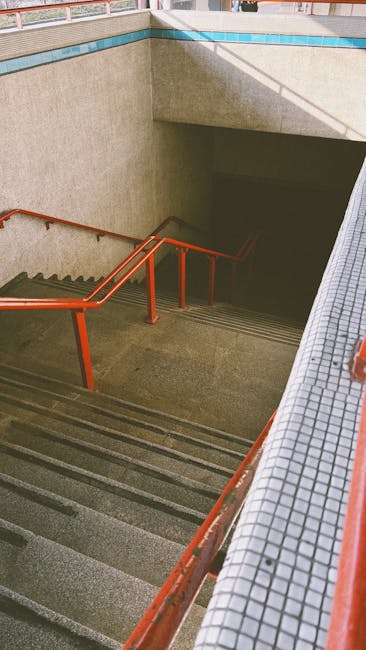
Plumstead Common Moves: Access & Staircase Solutions
Posted on 07/05/2026
Plumstead Common Moves: Access & Staircase Solutions
Moving in and around Plumstead Common can look straightforward on paper, then suddenly the hallway narrows, the stair turn is tighter than expected, and the wardrobe you swore was "medium-sized" seems to have developed a personality. That is exactly why Plumstead Common Moves: Access & Staircase Solutions matters. The difference between a smooth move and a stressful one is often not the van itself, but how well the route, stairway, doorway, and loading access have been thought through.
Whether you are in a flat near the common, a terrace with a compact staircase, or a house with awkward side access, the right approach saves time, protects property, and keeps everyone safer. In this guide, we will look at how access planning works, what to check before moving day, and how to choose a practical solution for stairs, tight corners, and heavy furniture. You will also find a checklist, comparison table, and local-minded advice you can actually use. Not theory. Real-life moving detail.
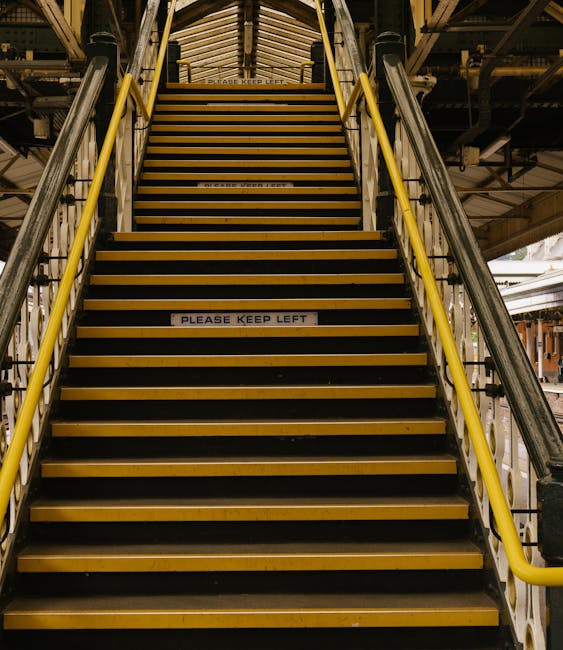
Why Plumstead Common Moves: Access & Staircase Solutions Matters
Access is one of those moving issues people underestimate until the van arrives and the sofa refuses to leave the room. Staircases, narrow landings, split-level layouts, basement entrances, and shared hallways all create small complications that add up fast. In Plumstead Common, where homes can vary from modern flats to older properties with tighter internal routes, a move often needs more planning than a simple end-to-end carry.
The practical challenge is not just fitting items through space. It is also about timing, weight distribution, protecting surfaces, and preventing avoidable strain on people doing the lifting. A careful access plan can reduce damage to walls, banisters, floors, and furniture. It can also help avoid those awkward last-minute decisions where everybody is standing in the stairwell thinking, "Right... now what?"
For households, students, landlords, and businesses alike, good staircase planning is a quiet efficiency gain. It helps removals teams work in the right order, gives you clearer expectations, and makes it easier to decide whether you need specialist help for bulky or delicate items. If you are moving furniture, a piano, a bed, or boxed household goods, access is not an afterthought. It is part of the move.
That is also why service pages such as flat removals in Plumstead and furniture removals support become so relevant when stairs are involved. The right match of vehicle, manpower, and route planning can turn a difficult property into a manageable one.
How Plumstead Common Moves: Access & Staircase Solutions Works
In simple terms, access and staircase solutions are the practical steps taken before and during a move to make sure items can travel safely from point A to point B. That starts with a proper look at the property. Not just the front door, but the path from room to van: hallways, corners, stair width, steps outside, parking distance, and any obstacles like railings, parked cars, or awkward communal entrances.
A good mover will usually assess three things first: what is being moved, how it can be carried, and where the bottlenecks are. A tall wardrobe may need to be turned on its side. A sofa might need an alternate route through a different doorway. A fridge-freezer could need more than one person and some careful balancing. Truth be told, the item itself is only half the story; the route matters just as much.
For more complex jobs, the team may use protective covers, lifting straps, trolleys, blankets, sliders, and in some cases a removal van positioned as close as possible to the property. If access is especially tight, a plan may need to include multiple short carries, temporary pauses on landings, or a change in the order of loading. The point is to keep the move controlled rather than rushed.
It also helps to separate access planning from packing. A well-packed item is easier to carry, yes, but that alone will not fix a narrow staircase. For a broader moving strategy, many people find it useful to read about organising and packing for a house move before moving day. Good packing and good access planning work best together, not separately.
Key Benefits and Practical Advantages
The biggest benefit is simple: fewer surprises. Once you know what the access looks like, you can plan the right crew, the right equipment, and the right sequence. That tends to reduce delays, lower the chance of damage, and make the whole job feel more under control. And honestly, a calmer move is a better move.
- Reduced risk of damage: Stair edges, banisters, and walls are less likely to be scraped or knocked.
- Better safety: Heavy lifting becomes more manageable when the route is clear and the load is properly planned.
- Faster execution: A pre-thought staircase plan saves the stop-start rhythm that slows everything down.
- More accurate quoting: Access details help service providers estimate effort and vehicle needs more realistically.
- Less stress for the customer: You know what to expect, which is half the battle on moving day.
Another useful advantage is flexibility. For example, if a full-size sofa will not turn on the landing, the team can decide early whether it needs dismantling, a different carry angle, or a storage solution until the right route is available. That kind of decision is easier when access is checked in advance rather than guessed at the door.
If you are planning to hold items temporarily while you sort out access or timing, storage in Plumstead may be a sensible part of the wider move. Sometimes the cleanest solution is not to force everything through at once. A bit of breathing room can save a lot of hassle.
Who This Is For and When It Makes Sense
Access and staircase planning is useful for more people than you might think. It is not just for big houses with grand staircases or tiny flats with tight bends. It matters whenever the move involves limited space, awkward routes, fragile items, or anything heavy enough to make you pause and say, "That looks a bit much for two people."
It makes particular sense for:
- People moving in or out of upper-floor flats
- Families with bulky furniture or multiple bedrooms' worth of belongings
- Students moving into shared accommodation with narrow communal stairwells
- Landlords and tenants doing quick turnaround moves
- Homeowners with internal stairs, loft rooms, or basement storage
- Anyone moving delicate, valuable, or unusually shaped items
There is a local side to this as well. In parts of Plumstead Common, parking and frontage can be as important as the staircase itself. If a van cannot get close to the door, carrying distance increases, which changes the whole move. That is why services like man with a van in Plumstead or man and van support can be so useful for smaller or medium-sized jobs where access needs to be handled efficiently.
It also helps if you are moving items that are not just heavy but awkward in shape. A piano, for example, is never just "a heavy box." If you are dealing with one, it is worth looking at specialist guidance such as piano removals in Plumstead and practical advice from our piano moving guide.
Step-by-Step Guidance
Here is a clear, practical way to approach access and staircase planning before moving day.
- Map the route. Walk the path from the room to the vehicle. Note every door, bend, step, landing, and threshold.
- Measure the awkward bits. Stair width, ceiling height on turns, landing space, and door openings are usually the key pinch points.
- Identify problem items early. Sofas, wardrobes, beds, freezers, exercise equipment, and pianos are the usual suspects.
- Decide what must be dismantled. Some furniture will move safely only when partially taken apart.
- Clear the route. Remove loose rugs, small tables, plant pots, door stops, and anything that can snag a boot or trolley wheel.
- Protect surfaces. Use covers, blankets, and floor protection for stairs and landing areas.
- Confirm parking and access outside. If the van is too far away, the carry becomes longer and more tiring.
- Load in the best order. Heavy and awkward pieces usually go first, but only after the route is confirmed.
- Keep communication simple. One person should direct the carry. Too many voices in a stairwell gets messy very quickly.
If you are preparing a wider move, it can also help to get your home ready with a calm, methodical house-moving approach. That kind of planning has a nice side effect: fewer frantic decisions at the door and fewer "why is this here?" moments at 8:00 in the morning.
One practical example: a two-bedroom flat with a narrow staircase might look manageable until the wardrobe reaches the first landing. At that point, the team may need to tilt, pivot, and briefly pause to reset the angle. Nothing dramatic. Just careful handling, a bit of patience, and a route that has been thought through from the start.
Expert Tips for Better Results
To be fair, the best staircase solutions often come from the smallest adjustments. A few smart choices can make a surprisingly difficult move feel manageable.
- Check the staircase at the same time of day as the move. Light matters. A landing that looks roomy in daylight can feel tighter in the evening shadows.
- Take photos of tricky points. A quick picture of a narrow turn or external step can help a mover prepare properly.
- Pack by weight, not just by room. Overloaded boxes are miserable on stairs. Small, balanced boxes are far easier to carry.
- Keep essentials separate. If the move stalls for any reason, you do not want your kettle, chargers, and documents buried in the last box.
- Use specialist help for awkward items. A piano, large mirror, or oversized wardrobe is often worth professional handling.
If heavy lifting is part of the job, the safest route is usually the least glamorous one: plan first, lift second. A useful refresher on safe handling can be found in our kinetic lifting guide and heavy lifting tips for solo movers. Even if you are not lifting alone, those basics still matter.
There is also value in being realistic. If a stair turn is too sharp, do not try to brute-force it because you are trying to save ten minutes. That is how doors get chipped and backs get grumpy. Sometimes the smart move is a slower move.
For bed frames and mattresses, access planning is especially useful because these items look harmless until you try to twist them round a landing. If that is on your list, our bed and mattress moving guide is a very sensible next read.
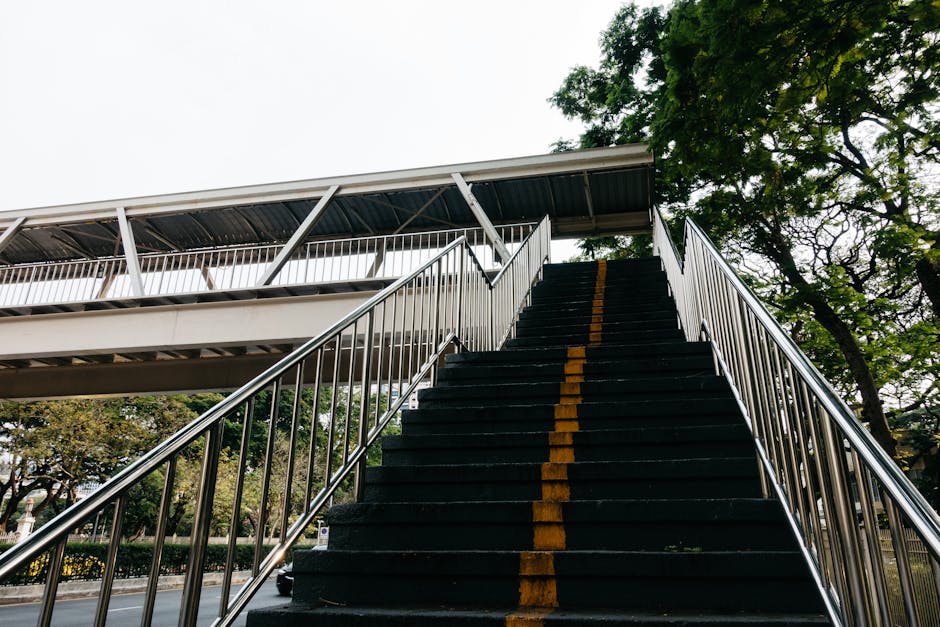
Common Mistakes to Avoid
Many access problems are avoidable. They usually happen when people focus on the van and forget the actual journey from room to road. It sounds obvious, but in moving life, obvious things get missed all the time.
- Not measuring the staircase properly. Guessing is a gamble, and not a great one.
- Forgetting about the landing turn. The turn, not the stairs themselves, is often the real blocker.
- Leaving the route cluttered. Shoes, baskets, recycling bags, and loose cables become annoying fast.
- Assuming all furniture will pass through as-is. Some items need dismantling or a different carry angle.
- Using boxes that are too heavy. If a box is only barely liftable on flat ground, stairs will punish it.
- Not checking parking or loading distance. A short driveway and a roadside carry are not the same thing.
Another common one: not planning for the weather. A damp staircase, muddy shoes, and a tight turn can make even a routine carry feel awkward. If it is a rainy London day, which, lets face it, does happen, extra floor protection and a slower pace are worth it.
For people decluttering before a move, this is also the stage to be decisive. If something is too bulky, too fragile, or simply not worth the staircase hassle, it may be the right time to donate, recycle, store, or replace it. A helpful companion read here is how to declutter before changing homes.
Tools, Resources and Recommendations
You do not need a van full of specialist gear for every move, but a few practical tools can make access work much better. The aim is not to overcomplicate things. It is to reduce strain and protect your home.
- Furniture blankets and covers: Helpful for protecting both the item and the stair edges.
- Moving straps or lifting aids: Useful for team lifting and weight distribution.
- Removal trolleys: Best for suitable floor surfaces and items with stable bases.
- Floor protectors: Especially useful in hallways, entrances, and on painted stairs.
- Gloves with grip: Simple, but genuinely helpful on awkward carries.
- Boxes in mixed sizes: Keep the weight manageable when stairs are involved.
Some moves also benefit from storage as a buffer. If the staircase route is not ready, or if you are coordinating keys, renovations, or short notice access, temporary storage can take pressure off the day. For that reason, many people pair access planning with local storage options and reliable removal services in Plumstead.
Before moving day, it can also help to get the home as clean and clear as possible. A tidy route is a safer route. If you want a refresher, read our move-out cleaning tips and our packing guide for a smoother move. Small details matter here.
Law, Compliance, Standards, or Best Practice
While access planning itself is mostly practical rather than legal, moving work in the UK should still follow sensible health and safety practice. That means avoiding unsafe manual handling, protecting people from injury, and using equipment appropriately. If you are hiring a removals provider, you should expect them to think about risks, route hazards, and load stability rather than just turning up and hoping for the best.
Best practice usually includes:
- Assessing the route before heavy lifting starts
- Using enough people for bulky or awkward items
- Keeping stairways and exits clear where possible
- Using protective materials on floors and banisters
- Handling fragile items with extra care
- Communicating clearly during carries
If the move involves shared buildings, it is also courteous to be mindful of neighbours, common areas, and any building-specific access instructions. This is not about being overly formal. It is about keeping the move orderly and respectful. For reassurance on the company side, it is worth reviewing health and safety information and insurance and safety guidance before booking.
Accessibility should also be considered properly. A good move does not only mean safe for the team; it should also be manageable for customers, neighbours, and anyone who needs the route kept clear. That is why an accessibility statement and a sensible working approach go hand in hand.
Options, Methods, or Comparison Table
There is no single perfect way to handle a tricky staircase. The right method depends on the item, the property, and how much room you actually have to work with. Here is a straightforward comparison.
| Method | Best For | Strengths | Limitations |
|---|---|---|---|
| Manual carry | Small to medium items, clear stairways | Simple, flexible, quick when the route is open | Riskier with bulky or heavy items if space is tight |
| Team lift with straps | Heavy furniture, awkward turns, longer carries | Better weight distribution, more control on stairs | Needs coordination and enough space to move safely |
| Dismantling furniture first | Wardrobes, bed frames, some sofas | Makes route clearance much easier | Takes extra time and requires reassembly later |
| Temporary storage | Delays, renovation work, access issues | Removes pressure from the move day | Requires an extra handling stage and planning |
| Specialist removals support | Pianos, fragile items, narrow staircases | More confidence, more protection, better problem-solving | May not be needed for every straightforward move |
For a larger household move, the best method is often a mix of these. For example, a family might use dismantling for a wardrobe, team lifting for a sofa, and storage for a few boxes that simply do not fit the timing. A sensible move is rarely one-size-fits-all.
If you are comparing service levels, local removal companies in Plumstead and the wider services overview are useful places to understand what is available before you decide.
Case Study or Real-World Example
A very typical Plumstead Common scenario goes like this: a couple is moving from a first-floor flat with a narrow turning staircase and a long sofa that has already tested everyone's patience. The front door opens directly to a shared path, and the van can park only a short distance away. Nothing impossible, but enough to need a plan.
Before moving day, the team measures the sofa and checks the staircase width and landing depth. The sofa is identified as a likely two-person carry with a possible tilt at the turn. Blankets are prepared, the route is cleared, and the removal van is positioned as close as possible without blocking access. On the day itself, the sofa comes out slowly, with one person guiding from below and another controlling the top edge. The landing is tight, but because the route has been checked, nobody is improvising under pressure.
The useful lesson here is not that the job was dramatic. It was not. The lesson is that a move can look simple until a staircase changes the whole shape of it. Once the access is planned properly, the same job becomes far more manageable. The couple still had a slightly tired look by the end, naturally, but the kind that comes from work done properly rather than chaos.
That is the real value of access and staircase solutions: they take a moving problem and turn it into a controlled process. Not perfect. Just controlled. And that is enough.
Practical Checklist
Use this checklist before moving day. It is basic, but basic is good when stairs are involved.
- Measure stair width, landings, and door openings
- Check whether large items need dismantling
- Photograph any awkward turns or tight entrances
- Confirm van parking and loading distance
- Clear the route of rugs, baskets, cables, and clutter
- Protect floors, banisters, and vulnerable wall edges
- Pack heavy items into smaller boxes
- Separate fragile items and valuables
- Arrange storage if access or timing is uncertain
- Review safety, insurance, and booking details in advance
Expert summary: if the route is tight, start planning earlier than you think you need to. Most staircase problems are easier to solve before the van arrives. Once the front door opens and time pressure kicks in, options shrink fast.
Conclusion
Plumstead Common Moves: Access & Staircase Solutions is really about one thing: making difficult access feel manageable. When you plan the route, assess the staircase, and choose the right moving method, you reduce stress and protect the things you care about. That includes your furniture, yes, but also your time, your walls, and your peace of mind.
Whether you are moving a flat, a family home, a piano, or just a few bulky pieces that never seem to fit the stairwell quite right, the best results come from clear planning and calm execution. Small decisions made early can prevent big problems later. That is usually how the smoother moves happen, day after day.
If you are comparing options or trying to work out what level of help you need, explore the relevant local services, check the practical guidance, and make the next step a simple one rather than a stressful one.
Get a free quote today and see how much you can save.
And if you are still weighing it up, that is completely normal. A good move starts with a good plan, and a good plan has a way of making everything feel a bit lighter.