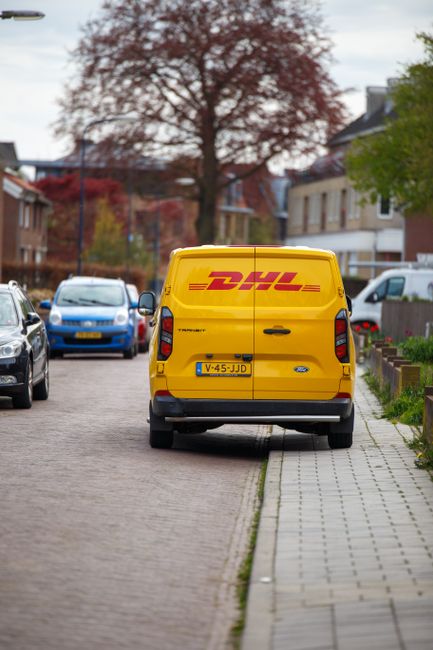
Pavement and Van Parking Rules in Plumstead -- Fines to Avoid

If you are planning a move, a delivery, or even a quick furniture drop-off, pavement and van parking rules in Plumstead can catch you out faster than most people expect. One minute you are trying to get a wardrobe through a front door; the next, you are staring at a penalty notice because the van was half on the kerb or parked just a bit too long on a restricted street. Sounds annoying? It is. And to be fair, it is usually avoidable.
This guide explains the practical side of parking a van in Plumstead, why pavements matter, what typically causes fines, and how to plan your stop so you can finish the job without hassle. If you are moving home, helping a student settle in, or arranging a job around busy SE18 streets, this is the sort of detail that saves time, stress, and money.
There is no need to overcomplicate it. A little planning goes a long way.
Why Pavement and Van Parking Rules in Plumstead -- Fines to Avoid Matters
Plumstead has the kind of streets where parking can feel straightforward for about ten seconds, and then the realities kick in: narrower roads, residents' bays, school-run traffic, turning space that disappears when a larger vehicle arrives, and pavements that are already doing a lot of work for pedestrians, prams, wheelchairs, and people carrying shopping bags. When a van edges onto a pavement or sits in the wrong place, it is not just a courtesy issue. It can become a safety issue, a block to access, or a straightforward parking contravention.
That matters because van drivers often assume they can "just stop briefly." In real life, brief stops still get noticed if the vehicle is in the wrong position, on yellow restrictions, too close to a junction, or obstructing the pavement. A delivery that should take 15 minutes can become a very expensive 15 minutes. And for anyone working to a moving schedule, that is the last thing you need.
There is also the local reputation angle. If you are moving into a Plumstead street and a van is left awkwardly across a pavement, neighbours notice. In a busy residential area, being considerate is not just polite; it helps everything run more smoothly. A calm, tidy stop often means fewer complaints, fewer delays, and less chance of somebody phoning it in.
We have seen jobs lose momentum because the parking plan was an afterthought. The boxes are ready, the sofa is waiting, the clock is ticking, and suddenly everyone is walking three houses down the road because the van cannot sit where it was intended. That bit of friction adds up.
How Pavement and Van Parking Rules in Plumstead -- Fines to Avoid Works
At a practical level, the rules are about where a van can stop, how long it can remain, and whether its position causes obstruction or breaches local restrictions. In Plumstead, the exact restrictions can vary by street and by time of day, which is why blanket assumptions are dangerous. A road that looks fine at 10:30 a.m. may be restricted during peak hours. A space that seems empty may actually sit inside a controlled parking zone, a loading restriction, or a yellow-line rule that is easy to miss if you are rushing.
Pavement parking is the other common issue. Even if two wheels are on the road and two are on the kerb, that is not automatically okay. The general principle is simple: do not block pedestrians, do not create danger, and do not assume a short stop makes the position acceptable. On some streets, even very light encroachment can become a problem if it narrows the walkway or forces people into the road. That is especially sensitive near crossing points, schools, busier retail strips, and places where visibility is already tight.
The key thing is that parking rules are not just about the van itself. They are about the impact of the stop. Is it safe? Is it lawful? Is it causing obstruction? Is it making it hard for residents, pushchairs, or emergency access? Those are the questions that matter, and they matter quickly.
If you are coordinating a move, this is where practical planning beats guesswork. A same-day run, for example, can often benefit from a quick read on removals permits in Greenwich so you understand whether your job needs extra checks before the van even arrives. Likewise, a busy street move near the station is very different from a quieter residential lane, and timing can change everything.
Key Benefits and Practical Advantages
Following pavement and van parking rules is not just about avoiding a fine. It also makes the whole job smoother. In the real world, compliance pays off in ways people notice immediately.
- Less stress on moving day: no last-minute panic over where to park.
- Faster loading and unloading: the van is where it should be, when it should be there.
- Lower risk of complaints: neighbours and passers-by are less likely to object.
- Better protection for belongings: fewer unnecessary walks with heavy items across the street.
- Reduced chance of penalties: the obvious one, but still the most painful if ignored.
- Safer access for everyone: pedestrians, residents, and anyone with mobility needs.
There is also a slightly underrated benefit: it helps the crew stay focused. If the parking arrangement is sorted, people can concentrate on moving furniture rather than shuffling vehicles every few minutes. That sounds small. It is not small when a sofa is halfway through the hallway and everyone is waiting on one driver to move the van.
For jobs involving larger or awkward items, good parking is even more useful. Think about furniture removals in Plumstead, where the distance between the front door and the vehicle can shape the whole pace of the move. The shorter, safer, and more direct the route, the better the day tends to go.
Who This Is For and When It Makes Sense
This topic matters to more people than you might first think. Yes, it is relevant for professional removal teams, but it also affects people doing one-off moves, small deliveries, student relocations, office clear-outs, and even homeowners collecting a bulky second-hand purchase.
It makes sense to pay close attention if you are:
- moving house or flat in Plumstead;
- booking a man with a van in Plumstead for a one-off job;
- arranging a larger job through man and van support;
- handling student moves, where timing and space are often tight;
- moving office furniture or equipment;
- dropping off heavy items that need quick roadside access.
It also makes sense when your property has awkward access. A narrow staircase, limited front-garden space, or a shared access point can force the team to work from the street. If that street is parking-sensitive, the van position becomes part of the access plan, not just a background detail. That is where planning saves everyone from a nasty surprise.
There is a good reason experienced movers often think about access before they think about boxes. If the vehicle cannot sit legally and safely, everything downstream gets harder. Simple as that.
Step-by-Step Guidance
1. Check the street before the van arrives
Do a quick walk around the street, or have someone local do it if you are not nearby yet. Look for yellow lines, bay markings, kerb blips, junction proximity, loading-only signs, and any obvious places where a van would block foot traffic. It takes a few minutes and can save a very expensive mistake.
2. Think about the size of the van
A small van and a long-wheelbase removal vehicle do not behave the same way. Bigger vans need more turning room, more stopping space, and more care around kerbs. If you are using a larger vehicle, be extra cautious about where the rear doors will open and how much pavement space will be left for others.
3. Plan the load order
If the van can only stay in one legal spot for a short window, load the heaviest and most essential items first. That way, if you have to move sooner than expected, the crucial items are already in. It sounds obvious. People still forget it, especially when the kettle is on and everyone is distracted.
4. Keep the pavement clear where possible
Never treat the pavement as your own temporary storage lane. Leave enough room for people to pass comfortably. On a quiet road, that might feel easy. On a narrower Plumstead street, it may mean shifting the van slightly or using a different side of the road altogether.
5. Use a second set of eyes
If one person is directing the driver and another is moving items, the chance of error drops. One person should watch pedestrians, one should watch the vehicle, and one should keep an eye on the time. That simple three-point split is often enough to stop a bad parking decision before it becomes a penalty.
6. Reassess if the job runs long
Jobs drift. They always do, a bit. If the move takes longer than expected, stop and check whether the van is still in a compliant position. What was fine ten minutes ago may not be fine now if traffic has built up or if someone else needs access.
For a more measured moving day, it can help to pair this with broader planning advice from a calm, methodical house-moving guide. The point is not to over-control every detail. The point is to remove avoidable stress.
Expert Tips for Better Results
Here is the bit that tends to make the biggest difference in practice.
Move early or late if the street is busy. Mid-morning and school-run windows can be awkward in many parts of SE18. If you can schedule outside peak times, parking becomes easier and pedestrian flow is lighter. Even a 30-minute shift can make a noticeable difference. Not always, but often enough.
Use the shortest practical stop. If the front door is accessible from one side of the road but not the other, choose the side that reduces carrying distance without creating an obstruction. The goal is efficiency plus courtesy.
Keep an eye on local pinch points. Corners, bus stops, dropped kerbs, and shared driveways are the places people miss when they are focused on the move itself. Those are also the spots that tend to trigger complaints fastest.
Leave room for neighbours. If someone needs to get a pram out, wheel a bin, or park their own car, your van should not make that impossible. A bit of goodwill matters more than people think. In real streets, it is not abstract.
Build a backup plan. If the intended parking space is taken when you arrive, have a second legal option ready. Do not make the driver circle the block while everyone stands about with a sofa and a mildly confused expression.
For heavy or awkward items, it is worth reading practical lifting guidance too, especially if the move involves repeated trips between the van and property. Articles like kinetic lifting tips and solo heavy-lifting advice can help reduce strain when the route from pavement to door is longer than expected.
Common Mistakes to Avoid
Most parking fines do not happen because someone was trying to be reckless. They happen because someone was rushed, distracted, or convinced that "it'll only be a minute." That phrase causes trouble everywhere.
- Assuming a quick stop is always okay. It often is not.
- Half-mounting the kerb without checking the impact. Even partial pavement parking can be a problem.
- Blocking dropped kerbs or driveways. That is one of the easiest ways to annoy people fast.
- Ignoring signs because the street looks quiet. Quiet streets still have rules.
- Letting the van sit while everyone carries items indoors. If the stop has been made, someone should still be watching it.
- Forgetting about loading time limits. A short grace period is not something to rely on unless you are absolutely certain.
There is another subtle mistake: assuming the rules are the same everywhere in Plumstead. They are not. A road near the station can behave very differently from a side street a few minutes away. If you are moving near busier routes, a guide to removals near Plumstead Station is genuinely useful because timing and congestion become part of the parking puzzle.
And one more thing. Do not leave the van in a "nearly fine" position while you go inside to argue over where the armchair should go. Nearly fine is still not fine.
Tools, Resources and Recommendations
You do not need a toolbox full of specialist equipment to manage van parking well, but a few practical items make life easier.
- Phone maps and live traffic tools: useful for checking route changes and congestion before arrival.
- Household tape or chalk: can help mark the safest loading path if the team needs a clear route.
- High-visibility clothing: sensible if you are moving near traffic or in lower light.
- Blankets and straps: reduce the need for extra trips, which helps keep parking windows short.
- Door wedges and protective runners: small details, but they keep the loading zone efficient and less chaotic.
It also helps to choose moving support that understands access, timing, and street constraints. If your job involves flats, tight turns, or shared entrances, look at flat removals in Plumstead and house removals in Plumstead as examples of services where access planning matters just as much as transport.
If storage is part of the plan, especially if you are moving things out in stages, then storage in Plumstead can reduce pressure on the day itself. Less rushing often means better parking decisions. Funny how that works.
Law, Compliance, Standards, or Best Practice
Parking rules can involve more than one layer of responsibility. There may be local restrictions, general highway rules, and practical obligations to avoid obstruction. Even without going into legal detail, the safest mindset is straightforward: park legally, park considerately, and do not assume your stop is exempt just because you are loading or unloading.
Best practice in Plumstead usually looks like this:
- check the street and signage before stopping;
- avoid blocking footways and driveways;
- keep the vehicle within the rules for the time and place;
- use a permit or formal arrangement if one is required for the job;
- keep the loading area safe for pedestrians and residents.
For larger jobs, it is also wise to align the parking plan with the rest of the moving process. That includes packing, route planning, and item handling. If the team is carrying fragile or heavy items, the vehicle stop should support safe handling rather than create extra risk. If you want a stronger overall moving process, resources like organising and packing for a house move and decluttering before changing homes can make the day lighter and less crowded, which often translates into easier parking decisions too.
Truth be told, the best compliance habit is simple: do not leave the parking question until the van is already idling outside. Once that happens, people rush. And rushing is where mistakes creep in.
Options, Methods, or Comparison Table
There are a few ways people usually handle van parking on moving day. Each has its place, but some are much safer than others.
| Approach | Best for | Main advantage | Main risk |
|---|---|---|---|
| Street-side legal parking | Most standard moves | Simple, predictable, usually cheapest | May be distant from the door or unavailable at busy times |
| Pre-arranged loading access | Busy streets and larger moves | Better control over timing and stopping | Needs more planning and may involve permissions |
| Short legal stop with crew support | Quick deliveries | Efficient and less disruptive | Only works if loading is genuinely fast and organised |
| Pavement edge stopping | Rarely, and only if clearly lawful and safe | Can shorten carry distance | High risk of obstruction or penalty |
In practical terms, the first and second options are the most reliable. The third can work well if everyone is organised. The fourth is the one people most often regret. A van is heavy, but a penalty notice can feel heavier when it arrives later that week.
Case Study or Real-World Example
Picture a typical weekday move in Plumstead. A family is moving from a terraced house with a narrow front path and a small section of road outside that fills up quickly. The driver initially aims to stop close to the front door, but the first space would have forced the rear of the van into a pedestrian route. Instead of squeezing it in, the crew chooses a slightly longer, legal stop further along the street.
At first glance, that feels less convenient. People do have that little sigh, the one that says, oh brilliant, now we are walking further. But the end result is better. The van stays legal, neighbours can pass, the doorway remains clear, and the crew loads in a steady rhythm without being interrupted by complaints or moving the vehicle every few minutes.
The move still takes effort, of course. There is always a point where somebody is carrying a lamp, someone else is trying not to scratch the skirting board, and everyone gets a little quieter than usual. Yet the parking decision keeps the day from spiralling into avoidable chaos. That is the part that matters.
In another case, a student move near a busier road near Plumstead Station works best when the vehicle is brought in outside the heaviest traffic window. The booking runs smoother, the loading path is shorter, and there is less chance of a rushed stop. Small choices, big difference.
Practical Checklist
Use this before the van stops:
- Check the street signs and road markings.
- Confirm the time of day and any obvious rush periods.
- Make sure the van will not block pedestrians or driveways.
- Choose the smallest sensible vehicle for the job where possible.
- Assign one person to watch the vehicle while loading happens.
- Keep the loading route clear and direct.
- Have a backup parking spot in mind.
- Do not rely on "just for a minute."
- Re-check the position if the move runs long.
- Keep neighbours and passers-by in mind at all times.
If you are preparing a bigger move, this checklist pairs well with general planning support from a calm house-moving approach and the practical know-how found in home move-out cleaning tips. When the property is organised, the vehicle side tends to be less frantic too.
Key takeaway: good van parking in Plumstead is really about respect, timing, and attention. The fine is not the only problem; the real cost is delay, stress, and disruption. Plan the stop as carefully as the move itself, and the day usually feels much calmer.
Conclusion
Pavement and van parking rules in Plumstead are not there to make life awkward for the sake of it. They exist because streets have to work for everyone, not just the person unloading a sofa or shifting boxes at speed. If you treat parking as part of the move rather than an afterthought, you will avoid most of the usual trouble: fines, arguments, blocked access, and the kind of stress that lingers long after the van has gone.
The good news is that you do not need perfect conditions. You just need a realistic plan, a legal stopping point, and a little patience. That is enough in most cases. And when a street is tighter than expected, adaptability matters more than bravado.
Get a free quote today and see how much you can save.
With the right preparation, a Plumstead move can be orderly, safe, and surprisingly smooth. One decent parking decision can set the tone for the whole day.
Frequently Asked Questions
Can I park a van on the pavement in Plumstead?
Not safely by default, no. Pavement parking can obstruct pedestrians and may lead to penalties depending on the road, the position of the vehicle, and local restrictions. If in doubt, keep the van fully on the carriageway where it can be done legally and without obstruction.
Do van parking rules change between streets in Plumstead?
Yes, they can. Some streets have different restrictions, timing rules, or bay markings. A road that looks calm may still have parking controls in place, so it is worth checking each location rather than assuming the same rule applies everywhere.
What is the biggest mistake people make on moving day?
Rushing the parking decision. Many fines happen because someone thinks they can stop briefly, only to find the van is blocking access or sitting in a restricted area. The second biggest mistake is ignoring signs because the street appears quiet.
How do I avoid a parking fine during a house move?
Check the street in advance, choose a legal stopping point, keep the pavement clear, and make sure someone is watching the vehicle while loading takes place. If the move is complex, build in extra time so you are not forced into a bad decision.
Are short unloading stops safer than longer parking stays?
Usually, yes, but only if the stop is legal and managed properly. A short stop still needs to respect restrictions and must not block pedestrians or driveways. Quick does not automatically mean compliant.
Should I use a smaller van to make parking easier?
If the job allows it, a smaller van can be easier to place and manoeuvre in tight Plumstead streets. That said, the size has to match the load. The wrong-sized vehicle can create more trips and more risk, so balance matters.
What should I do if my usual parking spot is taken?
Have a backup plan before the van arrives. Choose a second legal spot nearby, and be ready to adjust the load sequence if needed. Do not circle endlessly with the vehicle while the team waits outside with heavy items.
Is it worth planning parking for a student move?
Absolutely. Student moves are often quick, but they are often done in busy windows and with limited access space. Good parking keeps the move compact, efficient, and less stressful for everyone involved.
Can parking problems slow down a removal job a lot?
They can, yes. Even a small delay can snowball if the crew has to move the van repeatedly, walk items farther than planned, or wait for a space to clear. Parking is part of the timeline, not separate from it.
What if I am not sure whether I need a permit?
If the move is in a controlled area or a busy street, it is sensible to check before the day arrives. A good rule of thumb is this: if parking is likely to be tight or regulated, do not leave permit questions until the last minute.
How do professional movers handle tight parking in Plumstead?
Experienced movers usually plan access first, then vehicle position, then loading order. They also keep an eye on timing and traffic patterns. That way, the parking plan supports the job instead of disrupting it halfway through.
What other moving jobs benefit from better parking planning?
Pretty much any job involving bulky furniture, fragile items, or awkward access. For example, piano removals in Plumstead and careful piano moving advice both depend on access that is legal, steady, and well thought through. The same goes for careful item handling and secure transport.
And if the move is near a tricky route or busy corner, looking ahead really helps. Even a slightly awkward street can be managed well when the plan is realistic and nobody is trying to improvise at the kerb. That is usually where the difference lies.